Keto Flu: Why It Happens and How to Fix It in 48 Hours
Rather not plan at all?
Get a ready keto menu every morning.
Keto Flu: Why It Happens and How to Fix It in 48 Hours
The keto flu is the single biggest reason people quit the ketogenic diet. They make it three or four days in, feel genuinely awful, conclude that keto "doesn't agree with them," and go back to carbs. The punchline is that the keto flu is almost entirely a predictable electrolyte problem, and it's fixable in about two days if you know what you're doing.
What the keto flu actually is
When you drop your carb intake below roughly 50g per day, your insulin levels crash. That's the goal of keto — low insulin is what lets stored fat get burned for fuel. But insulin also tells your kidneys to hold onto sodium. When insulin drops, your kidneys flip the other way and start dumping sodium at a much higher rate than normal.
Sodium loss pulls potassium and magnesium out with it. You also lose a lot of water because glycogen (stored carbs) binds to water at roughly a 1:3 ratio, so depleting glycogen means dumping several pounds of water weight in the first week.
The result is a body that's simultaneously dehydrated and electrolyte-depleted, at the same time it's trying to learn how to burn a new fuel source. That combination produces the constellation of symptoms people call keto flu:
- Headache (often the first sign)
- Fatigue and brain fog
- Muscle cramps, especially at night
- Irritability and low mood
- Dizziness when standing up quickly
- Nausea or loss of appetite
- Heart palpitations
- Difficulty sleeping
It is not a real flu. It's not an immune response. It's a mineral deficiency with an unflattering nickname.
When it hits and how long it lasts
For most people, symptoms start on day 2 or 3 after dropping carbs and peak around day 4 or 5. Without intervention, they resolve on their own over 7–10 days as your body adapts to running on ketones and your mineral balance stabilizes.
With proper electrolyte intake from day one, most people never experience keto flu at all, or experience it as a mild headache on day 2 that goes away within a few hours.
The electrolyte protocol that fixes it
Here are the targets that matter, per day, for an average adult:
- Sodium: 5,000–7,000 mg (about 2–3 teaspoons of salt spread through the day)
- Potassium: 3,500–4,700 mg
- Magnesium: 300–500 mg
These numbers look absurd if you've spent your life reading "low sodium" advice on food packaging. The conventional recommendations assume a high-carb, high-insulin metabolism. On keto, with insulin low and kidneys flushing minerals aggressively, you need significantly more sodium just to hit normal blood levels.
Getting sodium
The easiest way is just salting your food heavily and drinking salted broth. A cup of bone broth or bouillon has 800–1,000 mg of sodium and is the single most effective intervention for acute keto flu. If a beginner messages saying they feel awful on day 3, the answer is almost always "drink a cup of salty broth and let's talk in an hour."
Pink Himalayan salt, sea salt, table salt — all fine. The shape of the crystal does not matter. What matters is that you're putting more of it into your body.
Getting potassium
Keto-friendly potassium sources:
- Avocados (975 mg per large avocado)
- Spinach, cooked (840 mg per cup)
- Mushrooms (550 mg per cup cooked)
- Salmon (500 mg per 6 oz fillet)
- Pork and beef (300–400 mg per 6 oz serving)
Eat an avocado and a generous serving of spinach and you're 70% of the way there. If you're struggling, potassium chloride salt substitutes (like "No Salt") mixed 1:1 with regular salt give you both electrolytes at once.
Getting magnesium
Magnesium is where supplementation makes most sense because hitting 400mg from food alone is genuinely difficult on keto. Food sources include pumpkin seeds, almonds, spinach, and dark chocolate, but most people benefit from a 200–400mg supplement.
Not all magnesium is equal. Magnesium oxide is cheap and poorly absorbed. Look for magnesium glycinate, citrate, or malate. Glycinate is gentlest on the stomach. Citrate can have a mild laxative effect at higher doses (useful if keto is slowing down your digestion, a common side effect in the first few weeks).
The 48-hour rescue protocol
If you're already deep into keto flu and feel terrible, here's the protocol that works fastest:
Morning (upon waking):
- 16oz water with ½ teaspoon salt
- 400mg magnesium glycinate
Mid-morning:
- Cup of bone broth or bouillon (salted)
- Black coffee is fine
Lunch:
- Meal including avocado or spinach
- Salt liberally
Afternoon:
- Another cup of bone broth, OR
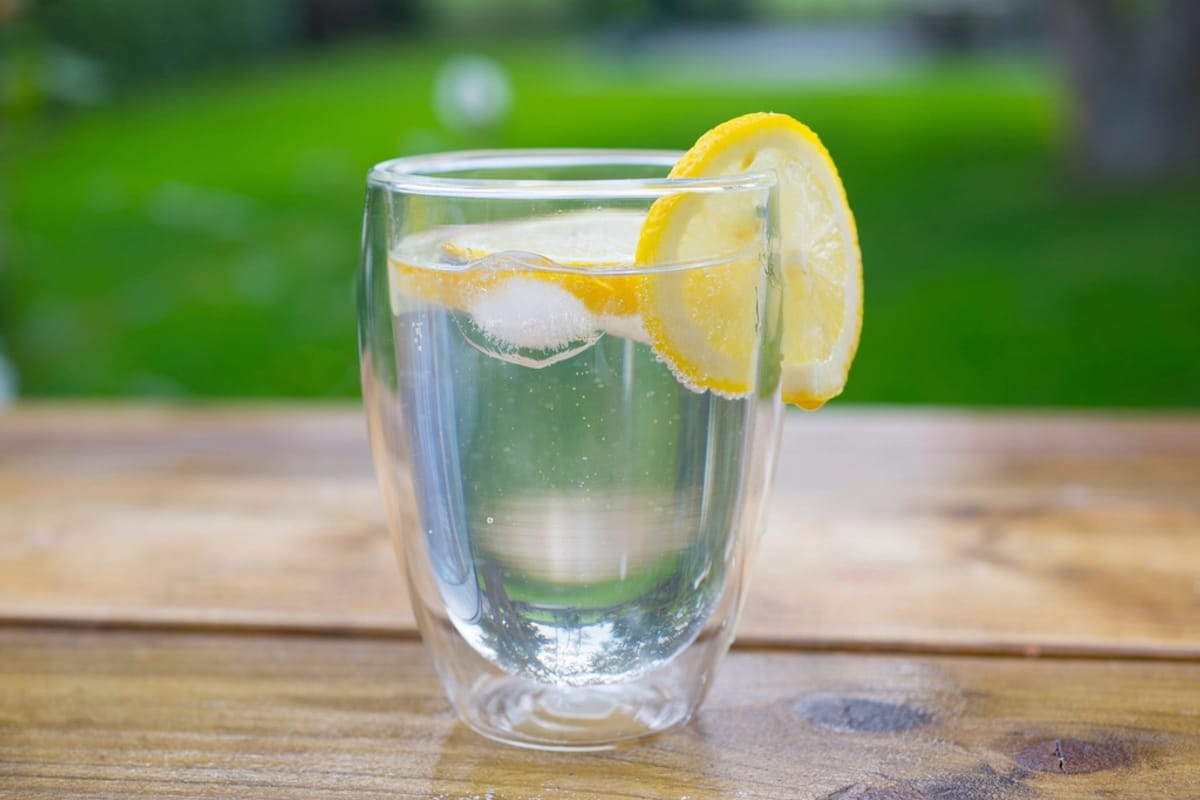
- 16oz water with a pinch of salt and a squeeze of lemon
Dinner:
- Include a fatty protein (salmon, ribeye, chicken thighs)
- Include a potassium-rich vegetable
- Salt liberally
Before bed:
- 200mg magnesium glycinate (helps with sleep and prevents night cramps)
Most people feel dramatically better within 24 hours on this protocol. Within 48 hours, the acute symptoms are usually gone.
What doesn't work
A few interventions people try that don't actually help:
Drinking more water without electrolytes. This can make symptoms worse by further diluting your already-low sodium. If you're going to drink more water, salt it or pair it with broth.
Generic sports drinks. Gatorade and Powerade are mostly sugar with a small amount of sodium. The sugar knocks you out of ketosis; the electrolytes are inadequate. There are keto-specific electrolyte powders (LMNT, Redmond Re-Lyte, Ultima) that do work, but plain salt water plus bone broth is just as effective and costs 50 cents.
"Powering through" without adjustment. You will eventually adapt, but you'll be miserable for 7–10 days when you didn't have to be.
Eating more fat. This doesn't help with keto flu specifically. Fat is fuel, not medicine. You need minerals and water.
How to avoid keto flu entirely
If you haven't started keto yet, you can skip the flu almost entirely by front-loading electrolytes from day one:
- Start salting your food heavily from your first keto meal, not your third day
- Drink a cup of salted broth daily from day one
- Start a magnesium supplement the night before you begin
- Plan your first week's meals around avocados, spinach, and fatty fish
- Don't exercise intensely for the first week — your performance will suck and you'll blame keto when you should blame the adaptation period
People who do this usually report feeling no worse than a mild headache on day 2, resolved with an extra cup of broth.
When to worry
Keto flu is almost always benign and self-limiting. But if you experience any of the following, stop the diet and see a doctor:
- Severe, persistent heart palpitations
- Fainting
- Confusion that doesn't resolve after eating and hydrating
- Symptoms lasting more than two weeks despite proper electrolytes
If you're on blood pressure medication or diuretics, your medication needs will likely change within the first week of keto, sometimes dramatically. That's a medical conversation, not a blog conversation.
The bottom line
Keto flu is solvable. It's minerals and water, not willpower. The people who tell you keto "didn't work" for them are, in the vast majority of cases, people who got hit with the flu on day 4 and concluded the diet was making them sick. It wasn't. It was electrolytes.
If you're planning to start keto, build the electrolyte strategy into day one. If you're already mid-flu, run the 48-hour protocol above. You'll feel like yourself again by the weekend.